Ces billes possèdent plusieurs propriétés souhaitables telles qu’une faible usure, une stabilité chimique élevée et une grande ténacité. Ils sont également non polluants pour les matériaux à broyer, ce qui en fait un choix populaire pour diverses applications avancées, y compris le meulage, la dispersion, le fraisage, la finition de surface, le grenaillage, les implants dentaires et les revêtements de barrière thermique.

Les billes de zircone en céramique sont des matériaux polyvalents qui présentent un grand potentiel pour une utilisation dans divers systèmes de stockage d’énergie et les piles à c...

Les billes céramiques de zircone ont une application potentielle dans la production de nanotubes de carbone. Les nanotubes de carbone sont connus pour leurs propriétés mécaniques, ...

Les billes céramiques de zircone sont largement utilisées dans la production de peintures, d’encres, de pigments, de revêtements et d’applications jet d’encre en raison de leurs pr...

Lesperles de zircone sont couramment utilisées comme média de broyage pour une variété de minéraux, y compris les métaux et non métalliques Minéraux. Ils sont par...

Perles céramiques de zirconeOnt une variété d’applications dans l’industrie de la fabrication du papier. Une de ces applications est comme un média de broyage dans la production de...

Les billes céramiques de zircone ont diverses applications dans l’industrie pharmaceutique, en particulier dans les systèmes d’administration de médicaments. Ils sont utilisés comm...

Les billes céramiques de zircone ont plusieurs applications dans les cosmétiques et les produits d’hygiène personnelle. Ils sont couramment utilisés comme agents exfoliants dans le...

Les billes céramiques de zircone ont de nombreuses applications dans l’industrie alimentaire. L’une des utilisations les plus courantes est de moudre, moudre et disperser les ingré...

Perles céramiques de zirconeOnt des applications potentielles dans la production et l’utilisation de matériaux magnétiques. Ils peuvent être utilisés comme matériau support pour le...

Les billes céramiques de zircone ont diverses applications dans le domaine des écrans à cristaux liquides (LCD). Une application importante est dans la production des filtres de co...

Les billes céramiques de zircone ont une application importante dans la production de condensateurs céramiques multicouches (MLCCs), qui sont des composants essentiels dans les dis...

Les billes céramiques de zircone ont une application importante dans la production de concentré de suspension (SC), qui est un type de formulation de pesticide. Les sc sont constit...

ITO (oxyde d’étain d’indium), IZO (oxyde d’indium de Zinc) et IGZO (oxyde de Zinc d’indium de Gallium)Introduction à ITO, IZO et IGZODans le paysage en constante évolution des maté...
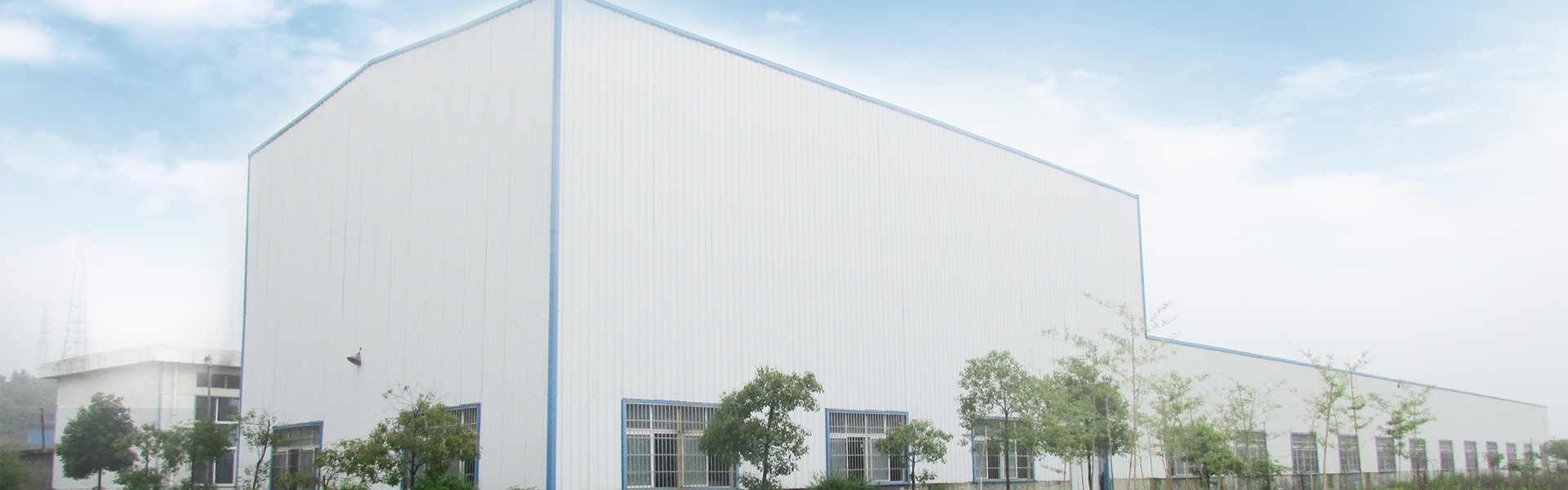
Sanxin New Materials Co., Ltd. is a high-tech enterprise with a combination of industry, trade, and research, jointly established by Chinese and American investors in 2008. The company is dedicated to researching, developing, and manufacturing structural ceramics, electronic ceramics, chemical ceramics, and environmental protection ceramics for use in the fields of grinding, surface treatment, petrochemicals, water treatment, refractory materials, electronic materials, and military applications. In 2010, it was rated as one of the "Top 100 Most Valuable Technology Enterprises in Jiangxi Province" in the first "China Jiangxi Investment Value Technology Enterprise 100" list. In 2011, it was named a "Private Science and Technology Enterprise in Jiangxi Province".In 2012, the company was certified by the ISO9001:2008 quality management system, in 2024, the company was certified by the ISO9001:2015 quality management system, and obtained multiple independent intellectual property rights patents.The company has always adhered to the business philosophy of "customer-oriented and integrity-based", the quality policy of "innovation and quality for success", and the goal of "unity, sincerity, and collaboration in creating a world-renowned enterprise" to serve its customers. Its aim is to "create more value for customers".

Nos billes de zircone sont fabriquées avec soin et subissent des mesures de contrôle de qualité rigoureuses pour s’assurer qu’elles répondent aux normes les plus élevées pour les applications de fraisage et de meulage. Nous utilisons des techniques de test avancées pour surveiller la distribution de la taille, la résistance à l’usure et la composition chimique de nos billes pour assurer des performances cohérentes et la satisfaction du client. Notre engagement envers le contrôle de la qualité nous permet de fournir à nos clients des solutions de fraisage fiables et efficaces pour un large éventail d’industries. Avec nos perles de zircone supérieures et nos mesures de contrôle de la qualité, les clients peuvent nous faire confiance pour fournir des résultats cohérents et de haute qualité à chaque fois.
L’innovation de la technologie et de la coopération mène les affaires de SANXIN à plus de 20 pays.


Nous sommes fiers d’offrir des billes de broyage de zircone et d’alumine de la plus haute qualité. Nos produits sont fabriqués en utilisant les dernières techniques de fabrication et sont rigoureusement testés pour s’assurer qu’ils répondent à nos normes élevées.

Nous offrons une large gamme de billes de broyage de zircone et d’alumine, billes de roulement en céramique et billes de dynamitage en céramique dans différentes tailles, formes, densité et dureté. Que vous ayez besoin de billes pour le meulage, le polissage, le dynamitage des roulements ou d’autres applications, même travailler avec vous pour créer un produit qui répond à vos exigences spécifiques, nous fournissons les produits dont vous avez besoin.

Notre société s’est concentrée sur la fabrication et la vente de supports de meulage en céramique depuis de nombreuses années. Nous avons une compréhension profonde de l’industrie et nous sommes engagés à l’amélioration continue et sommes toujours à la recherche de moyens d’améliorer nos produits et services.

Dans notre entreprise, nous croyons que le service à la clientèle est la clé du succès. Nous nous efforçons de fournir un service à la clientèle exceptionnel à tous nos clients, peu importe la taille ou la petite de leur commande peut être.

Q1: What are ceramic grinding media used for?
A: Ceramic grinding media including alumina balls, zirconia beads, ZTA composite balls and ceramic grinding cylinders are widely used for ultra‑fine grinding, nano milling, mineral regrinding, flotation concentrate refining, and fine powder processing in mining, chemical, new energy, ceramic and coating industries. They replace steel balls to reduce pollution, lower wear and improve powder purity.
Q2: What is the difference between alumina balls and zirconia beads?
A: Alumina grinding balls are cost‑effective for medium and fine grinding, mineral processing regrinding and large‑volume industrial milling. Zirconia beads feature higher density, higher hardness and ultra‑low wear, suitable for nano‑grade ultra‑fine grinding of high‑value materials such as lithium battery materials, pigments and fine chemical powders.
Q3: What are ZTA ceramic composite balls?
A: ZTA zirconia toughened alumina balls are composite ceramic grinding media combining the toughness of zirconia and the cost advantage of alumina. They have lower breakage rate, higher impact resistance and longer service life than ordinary alumina balls, ideal for mine fine regrinding and high‑load stirring mill grinding.
Q4: What are ceramic grinding cylinders used for?
A: Ceramic grinding cylinders are special‑shaped grinding media with larger contact area than ceramic balls. They are widely used for mineral rough fine grinding, tailings reprocessing and high‑yield powder milling, improving grinding efficiency and particle size uniformity effectively.
Q5: Can ceramic media replace steel balls in ball mills?
A: Yes. High‑quality ceramic grinding media can completely replace steel balls for secondary fine grinding and ultra‑fine regrinding. It avoids iron pollution, reduces equipment wear, lowers noise and power consumption, and improves final powder quality and mineral recovery rate.
Q6: Do ceramic grinding media cause material pollution?
A: No. High‑purity ceramic media are chemically inert, non‑reactive and free of metal ion precipitation. They will not pollute mineral slurry, chemical powder or battery materials, ensuring high purity of finished products.
Q7: What are the main raw materials of your wear‑resistant ceramic products?
A: Our full series of wear‑resistant ceramic grinding media, ceramic liners and ceramic lined pipes are made of high‑performance industrial ceramic raw materials, including high‑purity alumina, zirconia, ZTA zirconia‑alumina composite, silicon carbide and silicon nitride. Different raw material formulas match different working conditions, covering cost‑effective conventional grinding, high‑toughness impact‑resistant grinding, ultra‑fine nano grinding and high‑corrosion anti‑wear scenarios.
Q8: What working conditions are silicon carbide and silicon nitride ceramic products suitable for?
A: Silicon carbide ceramic products feature ultra‑high hardness, excellent corrosion resistance and high temperature resistance, suitable for strong abrasive, corrosive and high‑temperature grinding and conveying working conditions. Silicon nitride ceramic media have super toughness and low thermal expansion, ideal for high‑precision ultra‑fine grinding and special industrial material processing that requires zero pollution and high stability.
Q9: Are your ceramic grinding media suitable for dry grinding and wet grinding?
A: All our series of ceramic grinding media, including alumina balls, zirconia beads, ZTA composite balls, silicon carbide balls and ceramic grinding cylinders, support both dry grinding and wet grinding. They feature stable physical and chemical properties, no water absorption, no cracking and no deformation in long‑term dry and wet alternating working conditions. Wet grinding is mostly used for mineral slurry, chemical and lithium battery materials; dry grinding is suitable for powder materials such as ceramics, coatings and non‑metallic minerals.
Q10: Are your ceramic products suitable for mineral processing plants?
A: All SANXIN ceramic grinding balls, cylinders, ZTA media, ceramic liners and ceramic pipes are specially optimized for mining mineral processing working conditions. They adapt to ore slurry environment, fine grinding circuits, concentrate regrinding and tailings recycling, helping improve mineral liberation degree and flotation recovery rate.
Q11: What kinds of minerals can your ceramic grinding media process?
A: Our ceramic grinding balls and beads are suitable for gold ore, lead‑zinc ore, iron ore, quartz, feldspar, kaolin, limestone and other non‑ferrous ores and non‑metallic minerals. They are widely used in wet grinding of ball mills, vertical mills and stirred mills in mineral concentrators.
Q12: Will ceramic grinding media cause iron contamination during mineral grinding?
A: Compared with steel balls, alumina and zirconia ceramic grinding media hardly produce iron impurities. It effectively avoids iron pollution to materials, which is very important for high‑purity mineral raw materials and subsequent flotation processes.
Q13: How to select the correct size of grinding media for mineral grinding?
A: The selection of media size depends on feed particle size, target fineness, mill type and grinding stage. Large‑size balls are adopted for coarse grinding, while small‑size beads are used for fine grinding and regrinding before flotation. We can offer professional suggestions according to your ore test data.
Q14: Are ceramic grinding media applicable to two‑stage closed‑circuit grinding in mineral processing plants?
A: Ceramic grinding media has excellent performance in two‑stage closed‑circuit grinding. Its low wear rate maintains stable particle size distribution, reduces frequent media replenishment, and ensures stable grinding efficiency for continuous production of concentrators.
Q15: What advantages does ceramic grinding media bring to mineral flotation circuits?
A: Low wear reduces foreign impurities entering ore pulp. Stable particle shape helps obtain consistent grinding fineness, improving flotation selectivity and recovery rate. Meanwhile, it cuts down daily consumption and long‑term operation costs.
Q16: What application scenarios are zirconia beads suitable for?
A: Zirconia beads feature high density, high hardness and ultra‑low wear. They are widely used in ultrafine grinding and dispersion of lithium battery materials, electronic ceramic slurry, high‑end coatings, premium inks and various nano materials, mainly matched with horizontal sand mills and vertical bead mills.
Q17: What application scenarios are zirconium silicate beads suitable for?
A: Zirconium silicate beads have good grinding performance and prominent cost performance. They are ideal for ordinary coatings, general printing inks, pigments, pesticide preparations and fine grinding of conventional non‑metallic minerals, suitable for medium fineness grinding requirements.
Q18: What application scenarios are zirconia‑alumina composite beads suitable for?
A: Zirconia‑alumina composite beads balance impact resistance and cost advantage. They are applicable to medium‑low viscosity materials with medium grinding requirements, and working conditions with strong collision impact, such as mineral fine grinding and general chemical raw material dispersion.
Q19: What application scenarios are ordinary alumina balls suitable for?
A: Ordinary alumina balls have good wear resistance and acid‑alkali resistance. They are commonly used for rough grinding and medium grinding of ores, ceramic raw materials, refractory materials in ball mills, and not recommended for ultra‑fine grinding requiring strict impurity control.
Q20: What application scenarios are 3N high‑purity alumina balls suitable for?
A: 3N high‑purity alumina balls introduce fewer foreign impurities. They are widely adopted in quartz, kaolin, feldspar, non‑ferrous mineral processing and common high‑grade ceramic raw materials, especially for materials sensitive to zirconium pollution.
Q21: What application scenarios are 4N high‑purity alumina balls suitable for?
A: 4N high‑purity alumina balls have extremely low impurity dissolution. They are the preferred media for high‑purity ceramic raw materials, sapphire powder, advanced electronic materials and other products that strictly prohibit zirconium and other foreign element contamination.
Q22: Can 3N and 4N high‑purity alumina balls be used for grinding high‑purity alumina powder (HPA)?
A: Yes. Both 3N and 4N high‑purity alumina balls are chemically consistent with HPA raw materials. They will not introduce heterogeneous metal impurities during grinding. 4N high‑purity alumina balls are recommended for producing 4N and above high‑purity alumina powder; 3N high‑purity alumina balls are suitable for grinding 3N grade HPA. Avoid using zirconia beads or ordinary alumina balls to prevent contamination.
Q23: What are the characteristics and application fields of silicon carbide grinding balls?
A: Silicon carbide balls feature high hardness, excellent wear resistance, good thermal conductivity and stable chemical inertness. They resist erosion from acidic and alkaline slurry, and will not introduce metal contamination. Widely used for grinding silicon carbide powder, quartz, silicon powder, mineral raw materials and materials sensitive to iron pollution, suitable for ball mills and stirred mills.
Q24: What are the advantages of silicon nitride grinding balls compared with silicon carbide balls?
A: Silicon nitride balls have higher toughness, outstanding impact resistance, lower self‑abrasion and better thermal shock resistance. Silicon carbide balls are higher in hardness and cost‑effective. Silicon nitride balls are preferred for high‑speed stirred mills and working conditions with fierce collision; silicon carbide balls are more suitable for medium and low‑speed ball mill grinding.
Q25: Which materials are silicon nitride grinding balls suitable for grinding?
A: Silicon nitride balls have ultra‑low wear and minimal impurity release. They are ideal for ultra‑fine grinding of silicon‑based materials, advanced ceramics, battery raw materials, rare earth powder and high‑purity inorganic materials, especially fine grinding processes requiring strict impurity control.
Q26: Can silicon carbide balls be used for mineral wet grinding in ball mills?
A: Yes. Silicon carbide balls can be used for wet grinding of quartz, feldspar, silica sand and hard non‑metallic ores. They avoid iron contamination brought by steel balls. Not recommended for materials with strong hydrofluoric acid environment, as silicon carbide will be corroded.
Q27: Can silicon nitride media be matched with vertical stirred mills and high energy bead mills?
A: Yes. Thanks to high toughness and crack resistance, silicon nitride balls adapt to high linear speed and intense collision inside vertical stirred mills and high‑energy stirred bead mills. They have longer service life than silicon carbide balls under high‑speed operating conditions.
Q28: What are wear‑resistant ceramic liners for?
A: Wear‑resistant ceramic liners are high‑hardness ceramic lining plates used for ball mill inner walls, mixing equipment and anti‑wear equipment protection. They effectively resist impact and friction from mineral materials, reduce equipment abrasion, extend equipment service life and lower maintenance costs.
Q29: What is the advantage of ceramic lined wear pipes?
A: Ceramic lined wear pipes adopt internal ceramic anti‑wear layer, featuring high hardness, corrosion resistance and ultra‑low abrasion. They solve pipe thinning and leakage caused by long‑term conveying of mineral slurry, powder and granular materials, greatly reducing pipeline replacement frequency.
Q30: How long is the service life of ceramic wear liners?
A: Compared with traditional rubber and steel liners, ceramic liners have 3–5 times longer service life, with excellent wear and impact resistance. They greatly reduce frequent shutdown maintenance and improve continuous production efficiency of mineral processing plants.
Q31: What are the advantages of silicon carbide liners for slurry pumps?
A: Silicon carbide material features ultra‑high hardness, excellent wear resistance, strong corrosion resistance and low friction coefficient. Silicon carbide liners applied on slurry pumps can effectively resist abrasion from mineral ore pulp, reduce maintenance frequency, extend service life and lower long‑term operation costs compared with metal and rubber liners.
Q32: Which working conditions are silicon carbide slurry pumps suitable for?
A: Silicon carbide slurry pumps are widely used in mineral processing, sand washing, tailings transportation and chemical industry. They adapt to high‑hardness ore pulp, sharp particle medium, acidic and weakly alkaline corrosive slurry, especially for gold ore, lead‑zinc ore, quartz sand and silicon carbide powder conveying conditions.
Q33: What is the difference between silicon carbide cyclone liner and polyurethane liner?
A: Silicon carbide cyclone liner has superior wear resistance and high temperature resistance, suitable for high concentration, high hardness, sharp particle ore pulp. Polyurethane liner has good toughness, but poor heat resistance and wear resistance under severe scouring. Silicon carbide is preferred for long‑term continuous grinding classification circuit of hard minerals.
Q34: Can silicon carbide cyclones be used in closed‑circuit grinding classification of mineral processing plants?
A: Yes. Silicon carbide cyclone liners resist strong erosion from coarse ore particles, maintain stable overflow and underflow flow rate and particle size cutting point for a long time. It ensures consistent classification efficiency in two‑stage closed‑circuit grinding and reduces frequent replacement of liners.
Q35: What should be noted when using silicon carbide slurry pumps and cyclones?
A: Silicon carbide belongs to brittle ceramic material. Avoid empty running, dry friction and violent impact during startup. Control the feeding particle size to prevent oversized sharp stones from causing lining cracking. Regularly check the sealing and pipeline vibration to achieve longer service life.
Q36: What sizes of ceramic grinding media do you supply?
A: We offer a full range of specifications covering 0.5mm–50mm zirconia balls, 1–100mm alumina balls/beads, 0.5–20mm ZTA ceramic balls, 0.8–20mm silicon carbide balls, and ceramic grinding cylinders. Custom sizes and packaging are available to suit operating conditions for various models of ball mills and stirred mills.
Q37: Do you provide customized technical solutions?
A: Yes. We provide free sample testing, on‑site grinding circuit matching, media gradation design, liner and pipe layout solution according to ore properties, mill model, target fineness and production capacity of customers.
Q38: What types of mills are your ceramic media suitable for?
A: Our ceramic grinding media fit widely used milling equipment, including industrial ball mills, horizontal bead mills, vertical stirred mills, tower mills, planetary mills, sand mills, and mining regrinding mills. They support both fine grinding and nano ultra‑fine grinding for different industrial scenarios. Compatible Brands: Netzsch, Bühler, IsaMill, Metso, FLSmidth, Hosokawa Alpine, and other leading international brands.
Q39: Do you support OEM and customized service?
A: Yes. We support OEM, ODM, custom size, custom density, custom hardness and custom logo packaging. We can produce exclusive ceramic grinding media and wear‑resistant ceramic accessories according to customer drawings and technical parameters.
Q40: What is your product packaging standard?
A: Exporting: Waterproof inner liner + drums/woven bags + fumigation‑free wooden boxes/pallets, suitable for sea freight and long‑distance container transport. Domestic: Drums/woven bags + carton packaging, complete with specification labels and batch test reports. Custom packaging is supported.
Q41: What is your delivery time?
A: Conventional sizes are in stock and can be delivered within 10 work days. Custom‑sized ceramic media, special‑shaped liners and ceramic pipes take 7–45 working days according to order quantity. We guarantee stable delivery schedule for bulk orders.
Q42: What shipping and transportation methods do you provide for export?
A: We provide comprehensive international transportation solutions, including sea freight (FCL/LCL full/less container load), air freight, international express and railway freight. Bulk industrial ceramic products mainly adopt sea container transportation for cost efficiency; small batch sample orders support air freight and express delivery to ensure fast delivery. We support door‑to‑door and port‑to‑port logistics services.
Q43: What transportation methods are available for domestic orders?
A: For domestic trade, we support highway logistics, long‑distance freight, special line logistics and bulk cargo transportation. Conventional spot goods are delivered by full truck load or less truck load. We can arrange fastest logistics according to customer's delivery address and time requirement, supporting warehouse delivery and designated logistics docking.
Q44: What payment terms do you support for foreign trade?
A: We support flexible international payment terms, including T/T (Telegraphic Transfer), Western Union, and L/C for large orders. The common term is 30% deposit and 70% balance before shipment to guarantee smooth cooperation.
Q45: What payment terms for domestic trade?
A: For domestic Chinese customers, we support bank transfer, public account transfer, and flexible settlement terms for long‑term cooperative enterprises, including deposit prepayment, batch delivery settlement and monthly settlement for qualified regular clients.
Q46: What international trade terms do you accept for export orders?
A: We support mainstream international trade terms compliant with Incoterms 2020, including FOB, CIF, CFR, EXW and DDP. FOB and CIF are the most commonly used terms for our ceramic media and wear‑resistant ceramic product export. We can flexibly adjust trade terms according to customer's port destination, logistics plan and customs clearance demands.
Q47: What is your product origin?
A: All SANXIN ceramic grinding media, wear‑resistant ceramic liners and ceramic lined pipes are 100% made in China. The factory is located in professional ceramic industrial zone with complete production, testing and quality control systems, ensuring stable batch quality and factory direct price.
Q48: Do you provide after‑sales service and technical support?
A: We provide full‑cycle after‑sales service, including installation guidance, grinding media filling ratio suggestion, mill operation parameter adjustment, and product quality after‑sales guarantee. Professional technical team supports both domestic and overseas project docking.
Q49: Could you briefly introduce SANXIN company?
A: Jiangxi Sanxin New Materials Co., Ltd. is a professional manufacturer specializing in the R&D and production of industrial ceramic grinding media, wear‑resistant ceramic liners and ceramic lined pipes. With years of industry experience, we serve global customers in mining, mineral processing, new energy, chemical and coating industries, providing cost‑effective ceramic wear‑resistant solutions and stable batch supply.
Q50: What is the production capacity of your factory?
A: Our factory is equipped with multiple high‑temperature tunnel kilns, isostatic pressing equipment and complete processing lines, with large‑scale annual production capacity of ceramic grinding media, ceramic liners and ceramic pipes. We support stable batch supply for medium and large industrial projects and long‑term cooperative customers, ensuring consistent delivery schedule and batch quality.
Q51: Do you support factory audit and on‑site visit?
A: Yes. We warmly welcome customers, trading companies and third‑party inspection agencies to visit our factory for production line audit, raw material warehouse inspection, finished product quality verification and technical solution discussion. We can provide factory audit cooperation and relevant qualification documents.
Q52: Which countries and regions does SANXIN mainly export to?
A: SANXIN ceramic products are exported to global markets, covering Southeast Asia, South America, the Middle East, Africa, Europe and other regions. We have long‑term cooperative customers in mining concentrators, ceramic factories, chemical plants and coating manufacturers, with rich experience in cross‑border trade and overseas project docking.
Q53: What is the production layout and monthly output capacity of SANXIN?
A: SANXIN owns three professional production bases located in Jiangxi and Shandong provinces of China. We have stable and standardized monthly output capacity, including about 800 tons of ceramic grinding balls and nearly 100 tons of wear‑resistant ceramic liners. Equipped with complete automated production lines and high‑temperature sintering equipment, we support mass production, stable bulk supply, customized order production and long‑term fixed‑point procurement for global industrial customers.
Q54: What official authoritative certifications does SANXIN hold?
A: SANXIN has obtained a full set of valid international system and product authoritative certifications, including ISO9001:2015 Quality Management System Certification and ISO14001:2015 Environmental Management System Certification. Our core products such as alumina grinding balls and zirconia beads have passed RoHS environmental protection certification. All qualifications are authentic and checkable, supporting global customer factory audits, third‑party inspections and international project bidding qualification review.
Q55: What complete quality inspection system and professional testing capabilities does the factory have?
A: We have established a full‑process closed‑loop quality control system covering raw material incoming inspection, production process patrol inspection, semi‑finished product sampling test and finished product delivery full inspection. The factory is equipped with professional dedicated testing equipment, which can independently detect core product performance indicators including density, roundness, compressive strength, surface hardness and wear resistance rate. Each batch of products retains complete test records and can provide standardized official inspection reports, fully supporting third‑party sampling inspection and quality verification.
I et#39; je viens de mettre à jour mon Linktree avec mon dernier contenu - vérifiez-le ici! Lien:Linktr.ee /beadszirconia
Bienvenue à BeadsZirconia' S Linktree - votre passerelle pour découvrir tout ce que notre site web doitOffre dans un endroit pratique. Que vous ' passionné de bijoux, passionné de mode, ou simplement en quête d’inspiration, notre Linktree est conçu pour simplifier votre expérience de navigation.
Explorez une collection de liens qui vous mèneront directement au cœur de BeadsZirconia.com. De nos dernières créations de perles aux classiques intemporels, notre Linktree offre un accès rapide à tous les coins de notre boutique en ligne. Découvrez nos perles de pierres précieuses exquis, des fournitures de bijouterie complexes et des conseils d’artisanat experts en un seul clic.
Mais que ' S pas tout - notre Linktree s’étend au-delà des limites de notre site web. Connectez-vous avec nous sur les plateformes de médias sociaux comme Instagram, Facebook et Pinterest pour rester à jour sur nos dernières nouveautés, nos promotions spéciales et nos projets créatifs. Engagez-vous avec notre communauté vibrante de collègues passionnés de bijoux et partagez vos propres créations BeadsZirconia.
Que vous 're un concepteur de bijoux chevronné ou un nouveau venu curieux, BeadsZirconia' S Linktree est votre passeport pour un monde de créativité, de beauté et de possibilités infinies. Commencez à explorer aujourd’hui et libérez votre artiste intérieur avec BeadsZirconia.com!
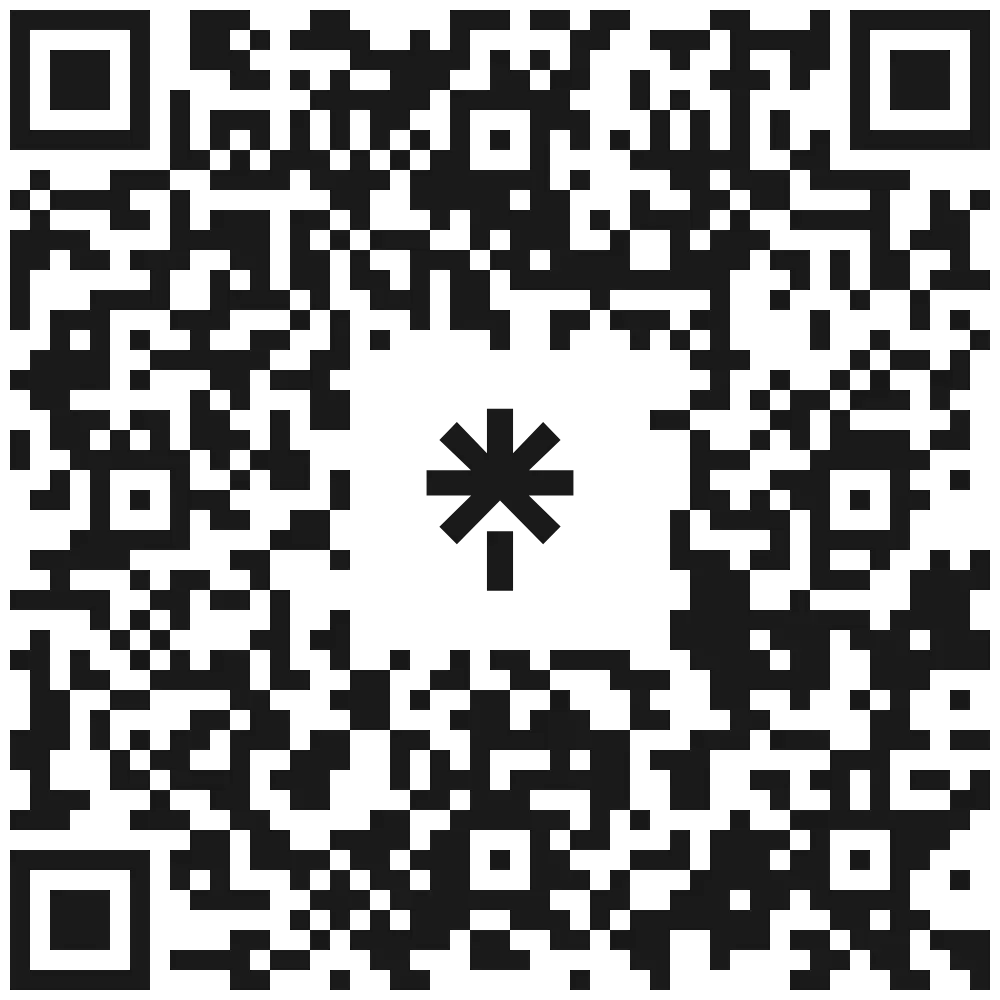
QR-code coup:
Linktree sert de passerelle vers une expérience de navigation transparente sur Beadszirconia.com. Au lieu de naviguer sur plusieurs pages, nos utilisateurs peuvent désormais accéder à différentes sections, des catégories de perles aux promotions exclusives, grâce à un lien unique et bien organisé. Cette simplification améliore l’engagement et la satisfaction des utilisateurs.
Explorez les dernières promotions et offres exclusives sans effort avec Linktree. Nos liens organisés garantissent que les utilisateurs sont directement connectés à des offres en cours, des réductions et des offres à durée limitée. Faire 't manquer l’occasion d’améliorer votre collection de perles sans se ruiner la banque.
À l’ère de la commodité mobile, Beadszirconia.com assure une expérience d’achat de perles transparente sur tous les appareils. Linktree complète cet engagement en fournissant une passerelle mobile pour notre pays des merveilles de perles. Maintenant, vous pouvez explorer, choisir et acheter des perles sans effort, si vous 're sur votre bureau ou appareil mobile.
lientree&#L’intégration de 39; S dans Beadszirconia.com est conforme à notre engagement envers la satisfaction des utilisateurs. L’interface intuitive permet aux utilisateurs de naviguer sans effort, rendant le processus de sélection de perles agréable et efficace. Dites adieu aux recherches encombrantes et bonjour à une expérience axée sur l’utilisateur.
Les billes de zircone peuvent être nettoyées en utilisant diverses méthodes, y compris le nettoyage ultrasonique, le nettoyage chimique, et le nettoyage à l’eau à haute pression.
Les billes de zircone sont très résistantes aux attaques chimiques, en particulier aux acides et aux alcalis.
Les billes de zircone peuvent résister à des températures allant jusqu’à 2000°C.
Intéressé par nos produits?

Soumettez votre demande,
Nous vous contacterons dès que possible.

Sanxin New Materials Co., Ltd. se concentre sur la production et la vente de perles en céramique et des pièces telles que les médias de broyage, perles de dynamitage, bille de roulement, partie de structure, revêtements en céramique résistant à l’usure, nanoparticules Nano poudre


 français
 français
 russe
russe français
 espagnol
 portugais
 arabe
arabe