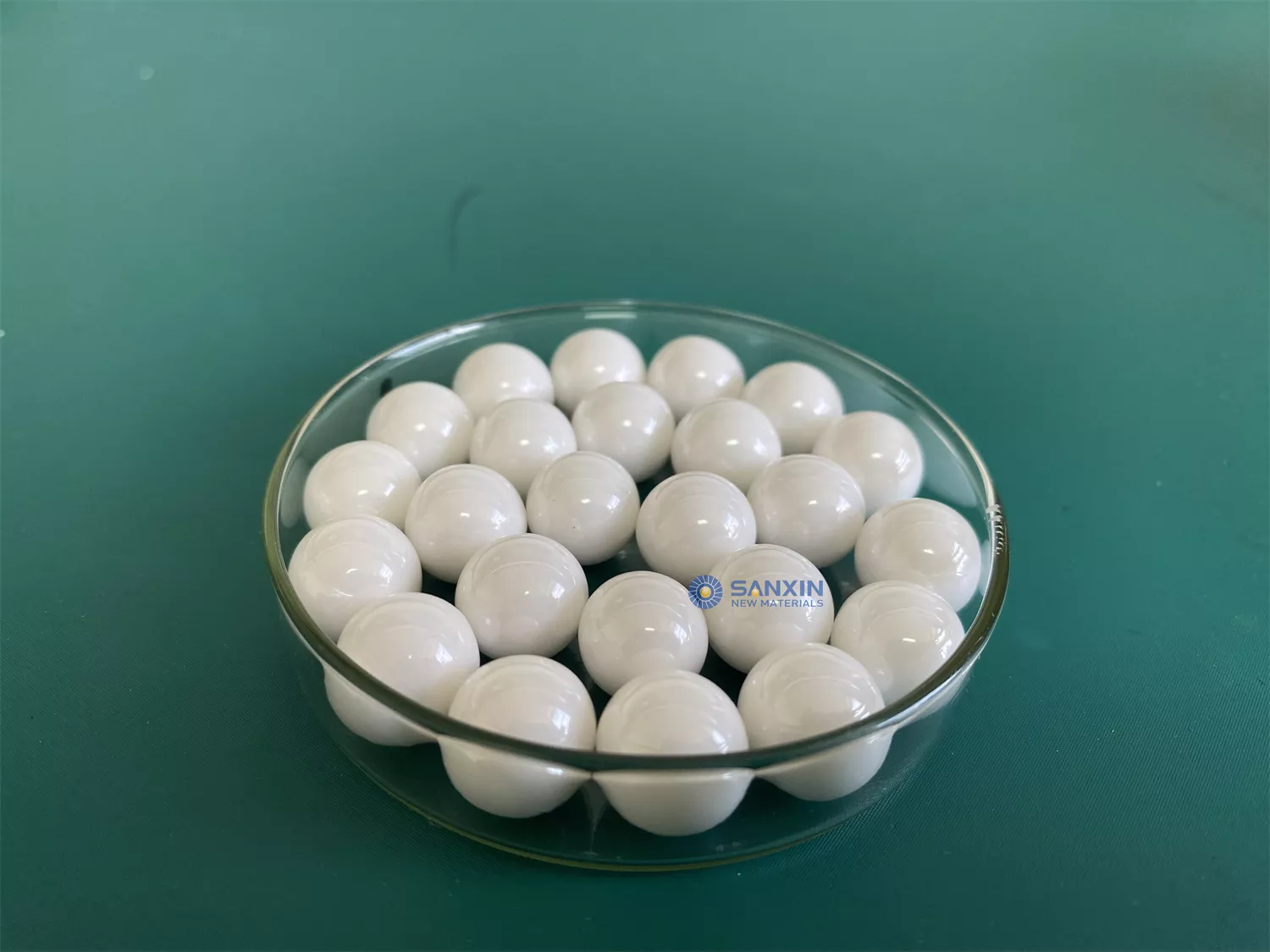
yttria stabilized zirconia beads for multilayer ceramic capacitor dielectric powder milling are used when fine grinding must combine efficient energy transfer with controlled wear and low unwanted contamination. A reliable specification connects ceramic composition and bead diameter to the mill, formulation, separator, target particle size, analytical limits, and repeat-order quality.
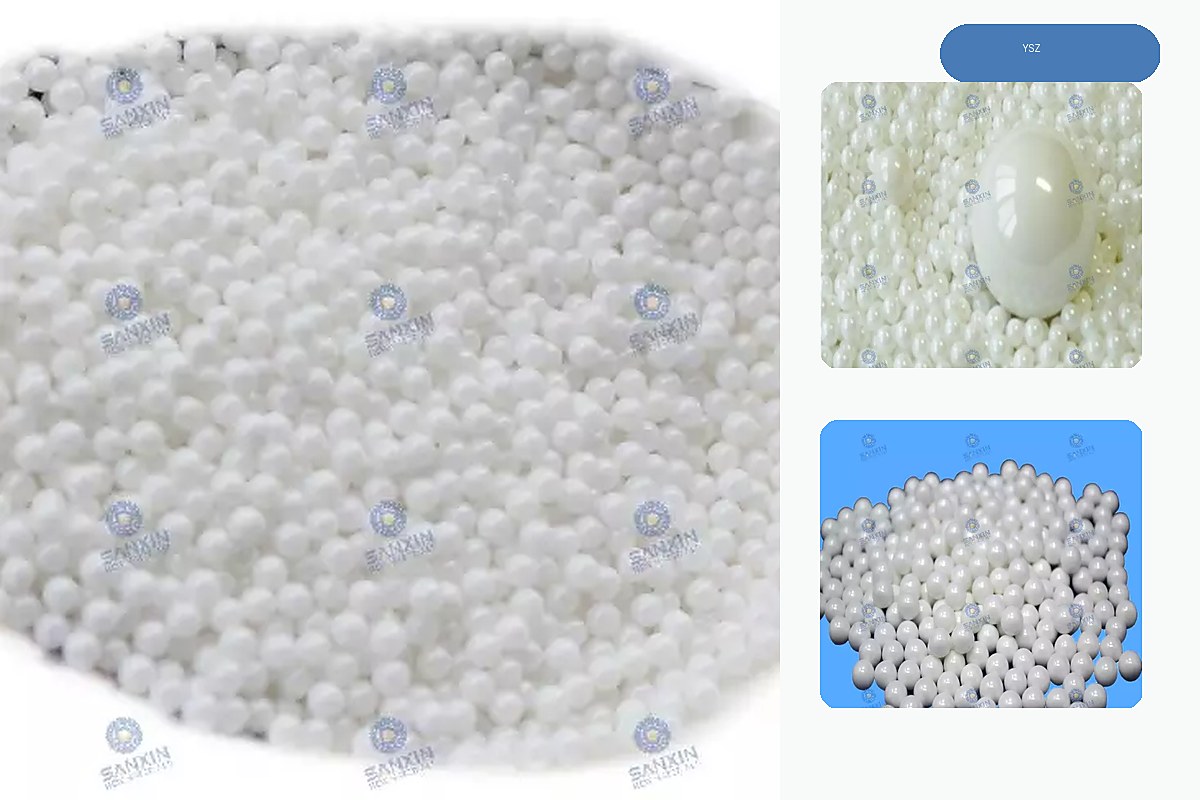
yttria-stabilized zirconia beads combine high density, hardness, fracture resistance, and a smooth surface. Density supports impact and shear inside a bead mill, while controlled microstructure helps reduce abnormal breakage. Buyers should compare processing time, energy, media consumption, cleaning, contamination, and batch repeatability instead of evaluating purchase price alone.
Multilayer ceramic capacitor dielectric powder milling can require stable particle-size control, low unwanted contamination, controlled viscosity, repeatable dispersion, and careful temperature management. YSZ media offers high density and a polished wear-resistant surface, but bead size must match the mill chamber, separator gap, dielectric powder, binder or dispersant system, solids loading, cooling capacity, and contamination limits.
Share the mill model, chamber volume, rotor type, separator gap, current media, feed particle size, target fineness, slurry viscosity, solids loading, temperature limit, atmosphere requirement, and expected throughput. These details allow a supplier to recommend a realistic bead diameter and trial quantity.
Zirconia composition and stabilizer type
Available bead diameters and size-distribution tolerance
True density, bulk density, hardness, and roundness
Wear-rate method and representative test result
Crushing strength, surface finish, and fragment control
Cleaning, magnetic separation, inspection, and traceability
Net package weight, liner, pallet method, MOQ, and lead time
The bead diameter must remain compatible with the separator and slurry flow. Media that is too large can reduce contact frequency. Media that is too small can increase hydraulic resistance or escape through an unsuitable screen. The practical choice balances energy transfer, circulation, separator safety, and final particle size.
Use one MLCC dielectric powder lot and keep the water or solvent system, binder, dispersant, solids content, mill loading, rotor speed, cooling target, and sampling intervals constant. Compare milling time, particle-size distribution, viscosity, temperature, media loss, zirconium pickup, iron pickup, filtration behavior, and slurry storage stability.
Inspect the beads after the test for chipping, flattening, fragments, discoloration, or unusual surface damage. Analyze product samples with the same methods. If contamination is critical, define the measured elements, sampling procedure, detection limit, and acceptance criteria before milling begins.
Incoming inspection can include package condition, lot label, bead-size sampling, visual roundness, density checks, and a short production comparison. Ask whether raw-material purity, forming, sintering, polishing, washing, and final inspection follow documented procedures. Retain an approved reference sample for tightly controlled products.
Supply consistency also depends on packaging and logistics. Heavy ceramic media needs strong liners, suitable pails or bags, pallet weight control, moisture protection, and clear lot identification. For ongoing use, discuss forecast volume, safety stock, lead time, and change-control practices.
Which zirconia composition and stabilizer are used?
Which bead size fits the separator and target particle size?
How is wear measured, and can a sample certificate be supplied?
How are cleaning, contamination control, and lot traceability managed?
What sample quantity, MOQ, packaging, and delivery time are available?
Start with the smallest practical YSZ bead that the separator and dielectric slurry can retain safely. Avoid excessive energy that overheats the batch, increases wear, or creates unstable viscosity. Prioritize verified wear performance, clean production, stable size distribution, lot traceability, and packaging that protects media cleanliness.
Send the formulation, mill model, separator gap, current media, feed and target particle size, viscosity, solids content, contamination limit, trial quantity, annual demand, and delivery destination. The supplier can then recommend a bead size and prepare a technically useful quotation.
A useful media trial for multilayer ceramic capacitor dielectric powder milling should be designed around removing dielectric powder agglomerates while maintaining chemistry needed for uniform thin ceramic layers. The role of yttria stabilized zirconia beads is to transfer energy consistently while avoiding unnecessary wear. Media diameter must remain safely above the separator limit, but it should also be small enough to create the contact frequency needed for the real feed distribution. The final choice therefore depends on the mill, separator, solids level, viscosity, target distribution, and contamination limit rather than product name alone.
The main process risk is that coarse particles, foreign ions, or an uncontrolled fine fraction can contribute to casting defects and inconsistent fired microstructure. Establish a controlled baseline before changing bead size or operating conditions. Record the raw-material lot, liquid system, dispersant and binder additions, solids content, batch mass, bead filling, rotor speed, flow rate, inlet and outlet temperature, sampling time, and cleaning state. Changing one major variable at a time makes the result useful for troubleshooting and future production transfer.
Use timed samples to compare particle-size distribution, slurry viscosity, temperature, contamination results, tape surface, and dried-film defect counts. Test all samples at the same conditioning temperature because temperature alone can change viscosity and make two milling points look different. A practical endpoint is to approve the condition that removes critical agglomerates and produces a stable casting slurry without unnecessary media wear. This prevents a lower particle-size reading from being accepted when filtration, rheology, product function, or contamination has already moved in the wrong direction.
Before the trial, define the sampling method, instrument settings, detection limits, and acceptance window. Include a blank or baseline contamination result when purity is important. Inspect the recovered media and mill screen for chips, unusual discoloration, flattening, or separator damage. Retain the feed, best trial sample, final batch, and a representative bead sample so later deviations can be compared with physical evidence rather than recollection.
For scale-up, keep dispersant demand, solids loading, specific energy, cooling, separator gap, and recirculation pattern within validated ranges. Milling minutes are not a universal transfer parameter because vessel geometry and power density change with equipment size. Confirm the production endpoint with the same tests used in development, then define operating ranges and action limits. Release checks should cover tape thickness consistency, pinhole screening, green density, fired shrinkage, and electrical-property sampling. Trend the data by raw-material and media lot to distinguish normal variation from gradual wear or a process shift.
Document the validated recipe, start-up sequence, cooling response, sampling points, shutdown criteria, cleaning verification, and change-control rules. When a new media lot, formulation, separator, or mill is introduced, run a short comparison against the approved condition. The same validation logic is also illustrated in this related zirconia bead application study, which can be used as a framework while keeping acceptance criteria specific to the current product.

Soumettez votre demande,
Nous vous contacterons dès que possible.

Sanxin New Materials Co., Ltd. se concentre sur la production et la vente de perles en céramique et des pièces telles que les médias de broyage, perles de dynamitage, bille de roulement, partie de structure, revêtements en céramique résistant à l’usure, nanoparticules Nano poudre


 français
 français
 russe
russe français
 espagnol
 portugais
 arabe
arabe